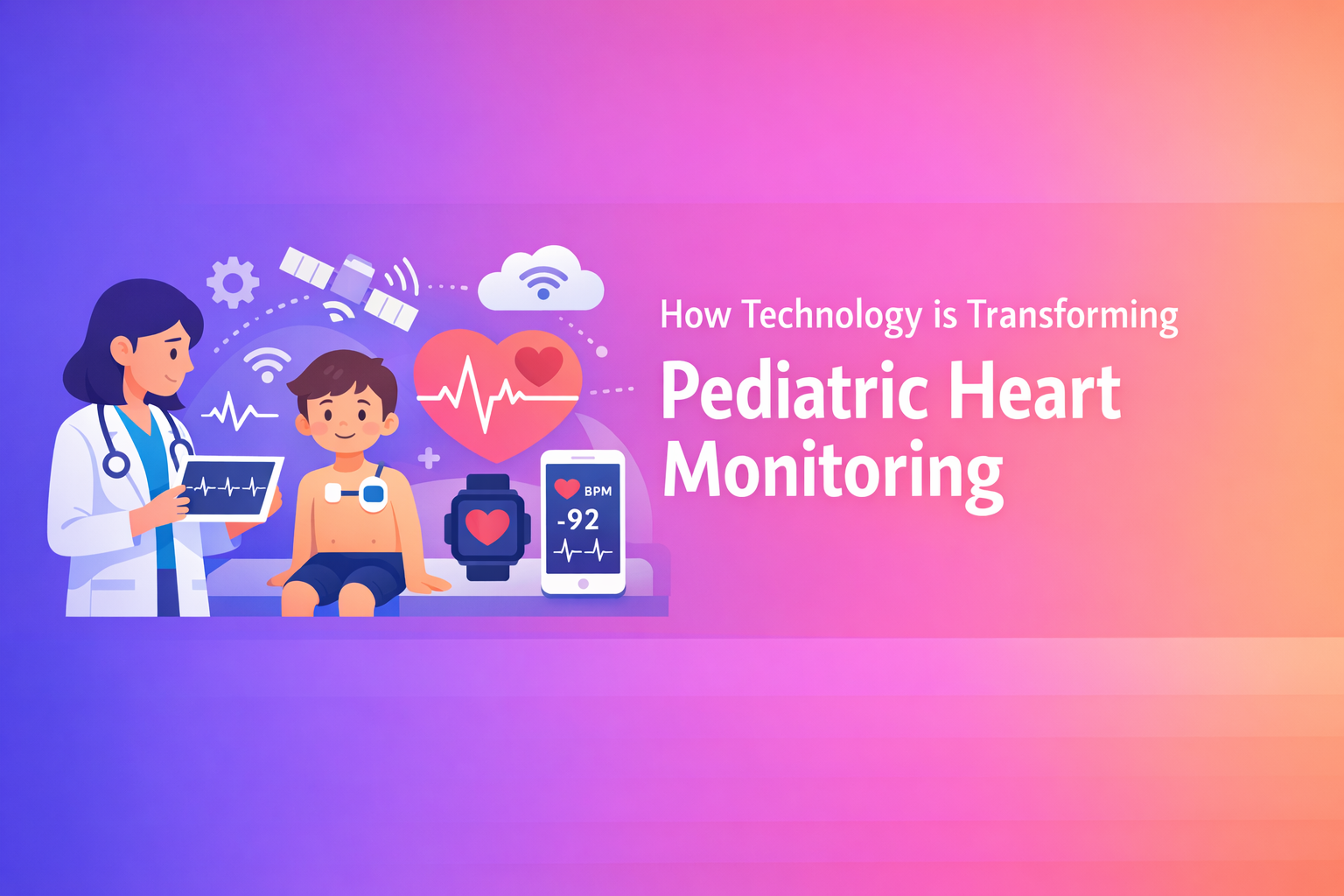
Technology Advancements in Pediatric Heart Monitoring
In recent years, the landscape of pediatric heart monitoring has seen significant changes, thanks to advancements in technology. Parents are increasingly turning to innovative solutions that enhance the monitoring of their children’s heart health. These developments are not just about improving the quality of care, but also about making it more accessible and efficient.
From wearable devices to telehealth options, technology is playing a crucial role in how heart conditions in children are managed. The goal is to provide children with the best possible monitoring while ensuring that parents are actively involved in their care.
The Rise of Wearable Devices
Wearable devices have become a game-changer in the field of pediatric heart monitoring. These devices can track heart rate, rhythm, and other vital signs in real-time. Parents can now monitor their child’s heart health from the comfort of their home, making it easier to detect any irregularities.
Some popular wearable devices include smartwatches and specialized health monitors designed specifically for children. These devices often come equipped with alerts that notify parents if their child’s heart rate falls outside of normal ranges.
| Device | Features | Age Suitability |
|---|---|---|
| Apple Watch | Heart rate monitoring, ECG | 12+ |
| Fitbit Ace 3 | Heart rate tracking, sleep monitoring | 6+ |
| Garmin Kids | Heart rate, activity tracking | 4+ |
Telehealth: A New Approach to Monitoring
Telehealth has emerged as a vital tool in pediatric heart monitoring. This technology allows healthcare providers to conduct consultations and monitoring sessions remotely. For families living in rural areas or those with busy schedules, telehealth offers a convenient alternative to in-person visits.
Through telehealth platforms, doctors can review data from wearable devices and provide immediate feedback. This continuous connection between parents and healthcare providers is essential for proactive management of pediatric heart conditions.
Benefits of Technology in Pediatric Heart Care
The integration of technology in pediatric heart monitoring comes with numerous benefits. First and foremost, it allows for more frequent monitoring, which can lead to early detection of potential issues. Early detection is crucial in heart conditions, as timely intervention can greatly improve outcomes.
Additionally, parents feel more empowered and engaged in their child’s health management. With access to real-time data, they can make informed decisions and discuss concerns directly with healthcare providers. This collaborative approach can lead to better adherence to treatment plans and improved overall health.
Real-Life Impact on Families
Many families have reported positive changes in their approach to managing their child’s heart condition thanks to technology. For instance, parents can now share data with their child’s cardiologist before appointments, allowing for more focused discussions during visits.
Moreover, the use of technology helps reduce anxiety for both children and parents. Knowing they have tools at their disposal to monitor heart health provides peace of mind, especially for families dealing with serious heart issues.
Consultation with Healthcare Providers
While technology provides incredible tools for monitoring heart health, it is essential to consult with a healthcare provider before making any decisions based on the data collected. Parents should work closely with their child’s doctor to understand what the readings mean and how to respond appropriately.
Healthcare professionals can guide families on the best practices for using wearable devices and telehealth platforms, ensuring that the technology complements traditional medical care rather than replacing it.
Conclusion: Embracing the Future of Pediatric Heart Monitoring
As technology continues to advance, the future of pediatric heart monitoring looks promising. Wearable devices and telehealth are already making significant contributions to improving heart health for children. Parents can take an active role in managing their child’s condition through these innovations.
Staying informed and consulting with healthcare providers can help families navigate this new landscape. By embracing technology, parents can enhance their child’s care and contribute to better health outcomes.
For more information on how to support your child’s heart health, consider exploring articles on the role of nutrition supplements in supporting heart health for kids and the role of physical activity in managing pediatric heart conditions.